
 Ambulance
911 8483 911 Helpline
916 6216 916
Blog
- May 15, 2026
Heart Blockage Symptoms: Early Warning Signs You Should Never Ignore
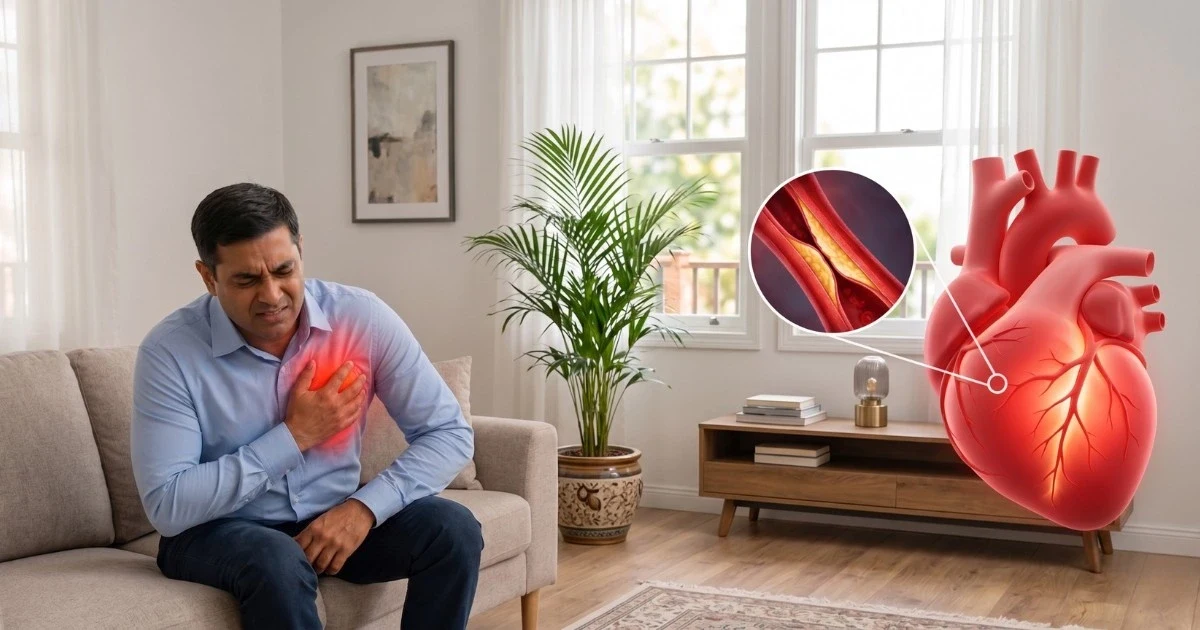
A heart blockage (coronary artery disease) happens when plaque narrows the coronary arteries, reducing blood flow to the heart muscle. The most common early symptoms are chest pain or pressure (angina), shortness of breath, unusual fatigue, and pain radiating to the arm, jaw, neck, or back. Some blockages cause no symptoms at all ("silent" blockage). Diagnosis uses blood tests, ECG, echocardiogram, stress test, CT coronary angiography, or invasive coronary angiography. Treatment ranges from medication and lifestyle changes to angioplasty (PCI/stenting) or bypass surgery (CABG), depending on severity.
Call emergency services immediately if you have sudden, severe chest pain with sweating, nausea, or breathlessness these are signs of a possible heart attack.
What is Heart Blockage?
Heart blockage, medically known as coronary artery disease (CAD) or atherosclerosis, is the narrowing or blockage of the coronary arteries, the blood vessels that supply oxygen-rich blood to the heart muscle, caused by a buildup of plaque (cholesterol, fat, calcium, and other substances) along the artery walls.
As plaque accumulates, arteries stiffen and narrow, restricting blood flow. This can develop slowly over years (chronic CAD) or worsen suddenly if a plaque ruptures and forms a clot (acute coronary syndrome, which includes heart attack). Severity depends on how many coronary arteries are affected and how much blood flow is restricted.
Common Heart Blockage Symptoms
The most common heart blockage symptoms are chest pain or pressure (angina), shortness of breath, fatigue, and pain radiating to the arm, jaw, neck, or back. Symptoms are often subtler in women, older adults, and people with diabetes, and can be mistaken for less serious conditions.Here are the key symptoms to look for:
- Chest pain or discomfort (Angina): The most common symptom. Chest pain can feel like pressure, tightness, or heaviness. It usually happens with physical activity or emotional stress and tends to ease with rest.
- Shortness of breath: Difficulty breathing during activities that used to be manageable, such as walking a short distance or climbing stairs, can indicate that the heart is not pumping blood effectively.
- Unexplained fatigue: Persistent tiredness that does not go away with rest, particularly in women, is a recognised early warning sign of reduced blood flow to the heart.
- Pain radiating to the arm, jaw, neck, or back: Because the heart shares nerve pathways with surrounding areas of the body, blockage-related pain can present in areas other than the chest.
- Dizziness or lightheadedness: Reduced cardiac output may impact the blood flow to the brain, causing sudden episodes of dizziness or fainting.
- Irregular heartbeat: A feeling of the heart racing, pounding, or beating irregularly.
- Nausea or cold sweating: These can accompany a cardiac event and are often mistaken for other conditions.
- Some blockages cause no symptoms at all this is called a silent heart attack (silent myocardial infarction). It is more common than most people realize, which is why routine cardiac screening matters even without symptoms, especially for high-risk individuals.
Also Read - Chest Pain Due to Gas: Everything You Need to KnowCauses of Heart Blockage
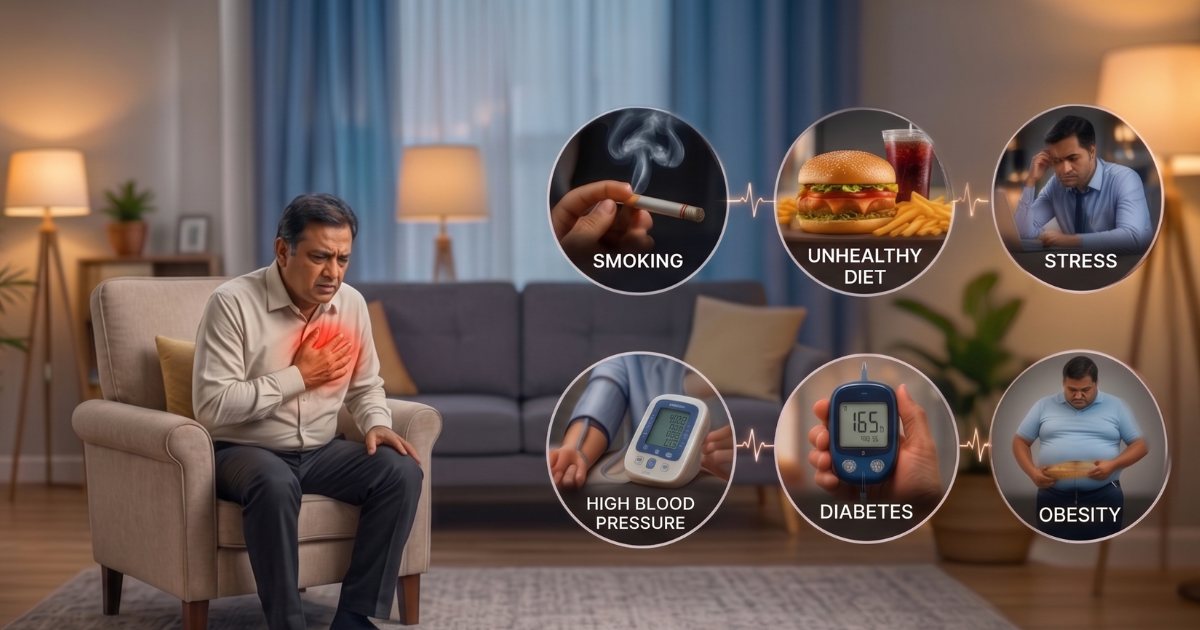
Heart blockage is caused by atherosclerosis plaque buildup driven primarily by high LDL cholesterol, high blood pressure, smoking, diabetes, obesity, and chronic stress.- High Cholesterol: Excess bad cholesterol (LDL) sticks to artery walls and forms plaque deposits.
- High Blood Pressure: Uncontrolled blood pressure damages artery walls, making it easier for plaque to build up.
- Smoking: Smoking reduces oxygen in the blood and causes major damage to blood vessels.
- Diabetes: High blood sugar levels increase the risk of narrowed arteries and cardiovascular disease.
- Obesity: Excess body weight puts additional strain on the heart and often leads to high cholesterol and diabetes.
- Stress and Poor Lifestyle: Lack of exercise, unhealthy eating habits, poor sleep, and chronic stress also contribute significantly to heart disease.
Risk Factors for Heart Blockage
Risk increases with age (men over 45, women over 55), family history of heart disease, obesity, hypertension, high cholesterol, type 2 diabetes, smoking, heavy alcohol use, and chronic stress.Key risk factors include:
- Age men above 45 years and women above 55 years
- A family history of heart disease
- Obesity, particularly abdominal obesity
- High blood pressure (hypertension)
- High cholesterol levels
- Type 2 diabetes or pre-diabetes
- Smoking or tobacco use
- Heavy or regular alcohol consumption
- Chronic stress
If several of these factors are present, it is highly advisable to get a full cardiac evaluation done by a cardiologist.
When Should You See a Doctor?
 See a doctor if you have recurring chest discomfort, breathlessness during routine activity, unexplained fatigue lasting several days, pain radiating to the arm/jaw/neck, or episodes of dizziness. Look emergency care immediately for sudden, severe chest pain accompanied by sweating, nausea, or difficulty breathing these may indicate an active heart attack.Emergency callout: If you or someone near you has sudden severe chest pain with sweating, nausea, or breathlessness, call emergency services immediately. Do not drive yourself. Time lost is heart muscle lost.
How is Heart Blockage Diagnosed?
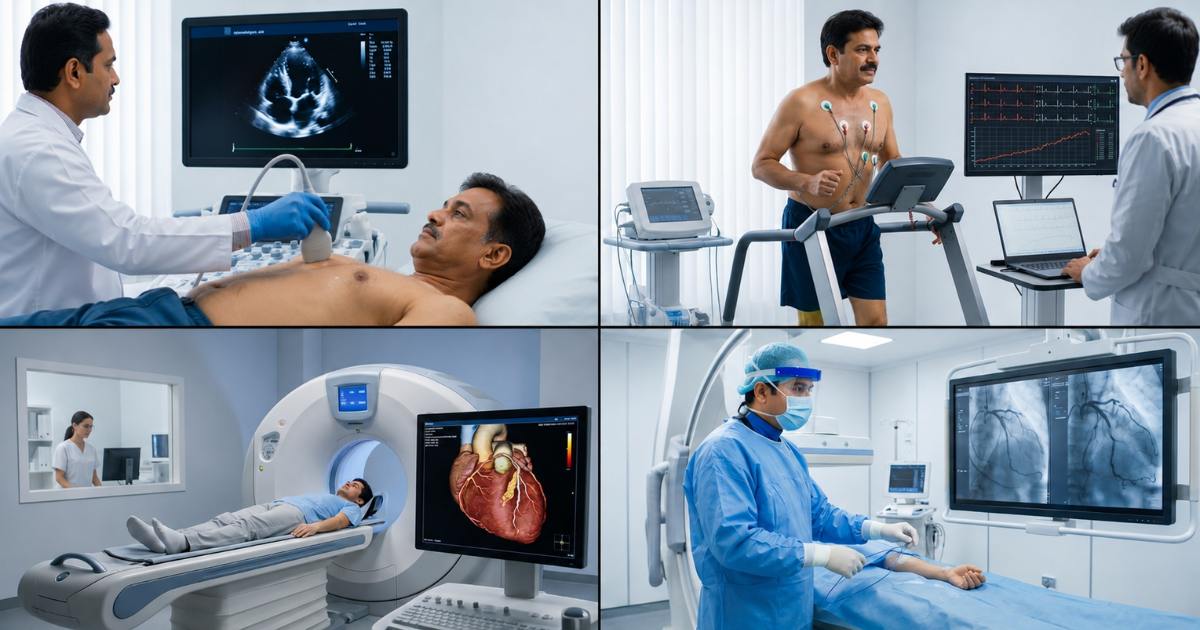 Diagnosis starts with blood tests (lipid profile, troponin, CRP, blood glucose/HbA1c) and proceeds to cardiac imaging tests such as ECG, echocardiogram, stress testing, CT coronary angiography, or invasive coronary angiography, depending on risk and symptoms.Beyond blood tests, the common heart blockage test options used for further evaluation include:
- ECG (Electrocardiogram): Detects abnormal electrical patterns that may indicate blockage or a prior heart attack.
- Echocardiogram: An ultrasound-based test that shows how well the heart is pumping and whether any muscle areas are weakened.
- Stress Test (Treadmill Test): Monitors the heart's response to physical exertion to reveal blockage-related changes.
- CT Coronary Angiography: A non-invasive scan providing detailed images of the coronary arteries.
- Coronary Angiography (Catheterisation): The definitive procedure, where a thin catheter is guided through a blood vessel to directly visualise blockages.
At Advanced Superspeciality Hospital, the Pathology & Diagnostics department handles this full range of investigations, with results reviewed by the cardiology team to determine the most appropriate path forward.Treatment Options for Heart Blockage
Treatment depends on blockage severity and ranges from medication and lifestyle changes (for mild-to-moderate blockage) to angioplasty with stenting (PCI) or coronary artery bypass grafting (CABG) surgery for severe or multi-vessel blockage.For early or moderate blockages, medication is often the primary approach, including blood thinners to prevent clots, statins to lower cholesterol, beta-blockers to reduce heart workload, and nitrates to relieve chest pain. In addition to medication, changes in diet, exercise, stress management and quitting smoking are important to slowing disease progression.When medication alone is not enough, angioplasty with stenting (PCI) is a minimally invasive option. A tiny balloon is inflated to open the artery, and a stent is inserted to keep it open. This approach typically involves a shorter hospital stay and faster recovery compared to surgery.If there is significant blockage in more than one artery or if angioplasty is not possible, heart blockage surgery, Coronary Artery Bypass Grafting (CABG), is recommended. In this procedure, a healthy blood vessel from another part of the body is used to create a new pathway around the blockage, improving blood flow to the heart.
Also Read - How to Choose the Right Emergency Hospital in GandhinagarHow to Prevent Heart Blockage

Heart blockage can largely be prevented through regular exercise, a heart-healthy diet, maintaining healthy weight, quitting smoking, controlling blood pressure/cholesterol/blood sugar, managing stress, and routine cardiac screening.- Quit smoking
- Exercise regularly
- Maintain a healthy weight
- Control blood pressure and cholesterol
- Manage blood sugar levels
- Reduce chronic stress
- Get regular cardiac health check-ups, even without symptoms
Foods That Help Reduce Heart Blockage Risk
A heart-healthy diet emphasizes soluble fiber, omega-3 fatty acids, and antioxidants, while limiting saturated fat, refined sugar, and excess salt.Eat more of:Oats and whole grains, fatty fish (salmon, mackerel), walnuts and almonds, leafy greens (spinach, methi), legumes (dal, rajma, chana), garlic, citrus fruits and berries, flaxseeds/chia seeds.Limit or avoid:Red and processed meats, fried foods, refined sugar, white bread/rice, excess salt.Conclusion
Heart blockage is a condition that develops over time, and its warning signs are not always easy to recognise. Chest discomfort, unusual breathlessness, persistent fatigue, or radiating pain should never be ignored without a proper evaluation.Whether it involves a routine blood test for heart blockage, a more detailed heart blockage test such as angiography, or proceeding with heart blockage surgery when necessary, the right medical guidance at the right time makes a significant difference in outcomes.At Advanced Superspeciality Hospital, Gandhinagar, a dedicated team of cardiologists, critical care specialists, and diagnostic professionals provides comprehensive cardiac care under one roof. With 24×7 emergency services, a fully equipped CCU, advanced diagnostic support, and experienced specialists, the hospital is equipped to manage heart conditions at every stage from early detection to complex interventions.FAQs
What are the first signs of heart blockage?
Early signs include chest discomfort, shortness of breath, unusual fatigue, dizziness, and pain radiating to the arm or jaw.
How can heart blockage be reduced or prevented?
Through a healthy diet, regular exercise, quitting smoking, and controlling cholesterol, blood pressure, and blood sugar.
Can heart blockage be treated without surgery?
Yes. Mild to moderate blockages are often managed with lifestyle changes and medication. Severe blockages may require angioplasty (PCI) or bypass surgery (CABG).
How do doctors test for heart blockage?
Common tests include ECG, treadmill stress test, echocardiogram, CT coronary angiography, coronary angiography, and blood tests (lipid profile, troponin).
Is chest pain always a sign of heart blockage?
No. Chest pain can also result from acidity, muscle strain, or anxiety. However, any recurring or intense chest pain should be evaluated by a doctor to rule out cardiac causes.